Background
About enfinium
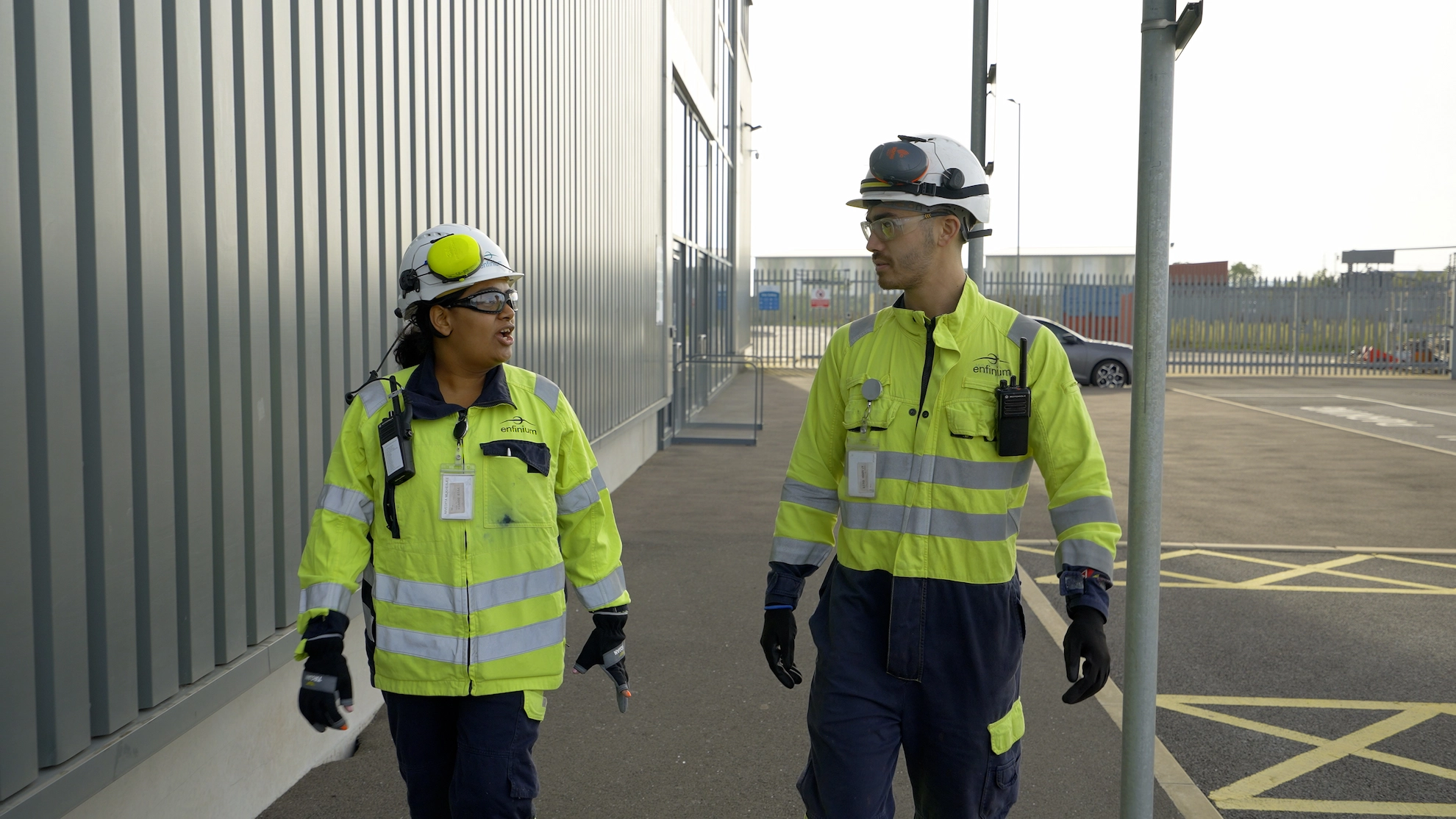
As one of the UK’s leading energy from waste operators, enfinium is supporting the country’s journey to a Net Zero economy.We do this today by operating and developing five resource recovery facilities around the UK, where we use waste that would otherwise go to landfill to generate energy.
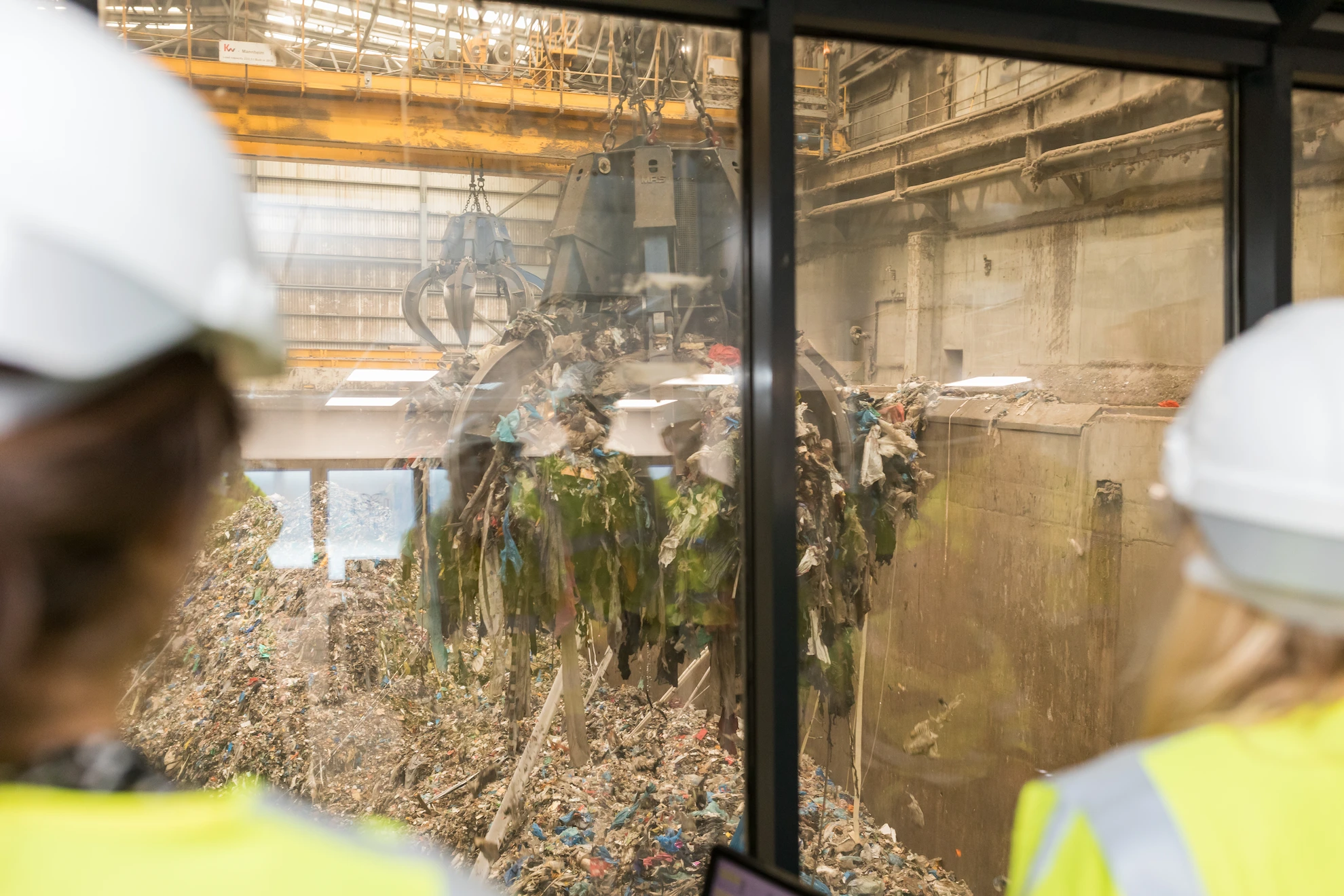
All products would be made from remanufactured, refurbished and recycled or low carbon and sustainable materials, using as little energy as possible. However, in today’s world, this is not an easy feat to achieve. This is where enfinium and our energy from waste (EfW) facilities come in.
Turning unrecyclable waste into homegrown, reliable power supports energy security, creates value, and unlocks future green economic opportunities.
And we’re going further by developing plans to use pioneering carbon capture technology across our facilities to take carbon emissions out of the atmosphere.
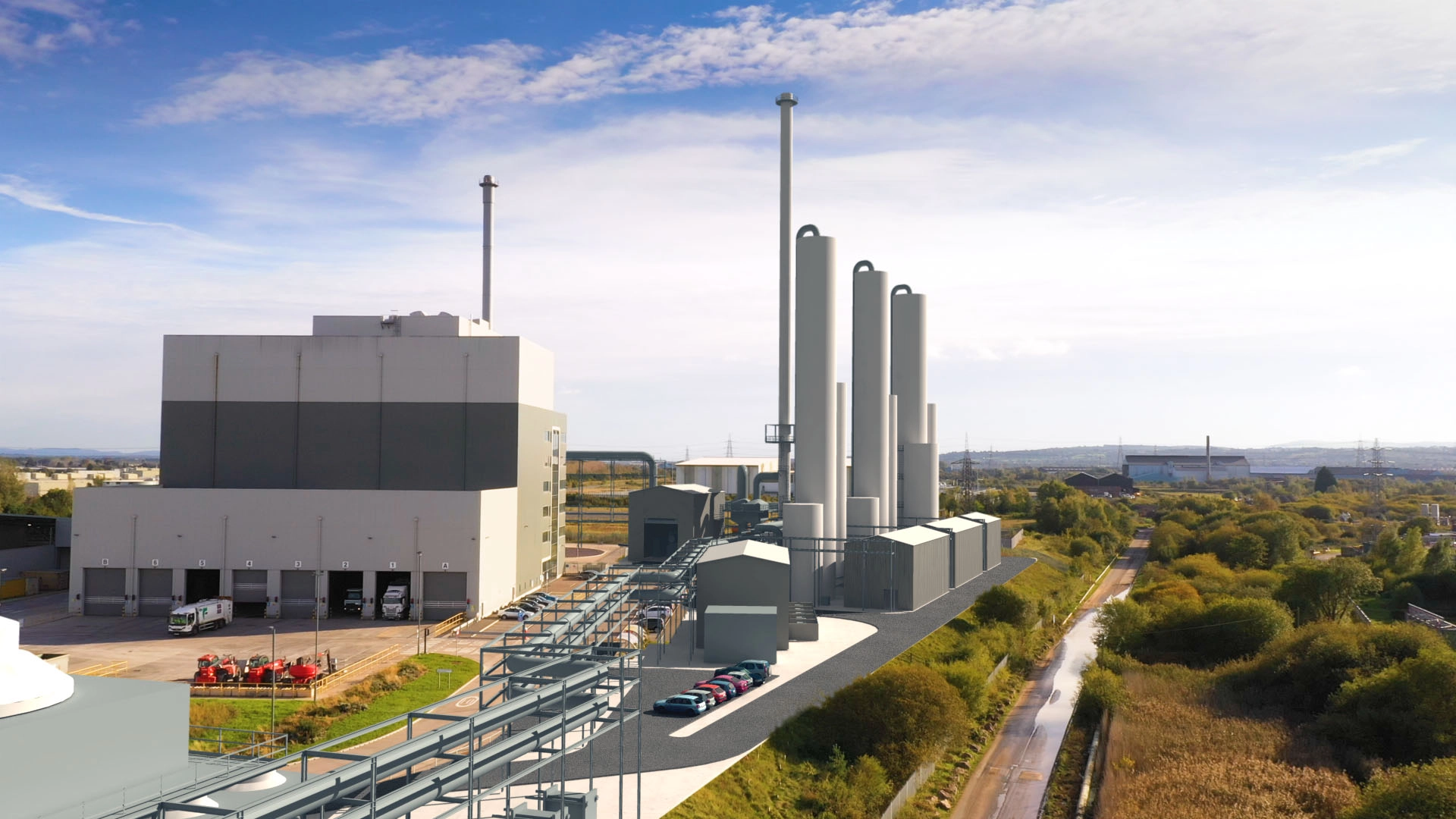
Installing carbon capture technology on EfW plants provides a unique opportunity to generate carbon negative power, while supporting ambitious plans to decarbonise the Welsh and UK economies.
Parc Adfer
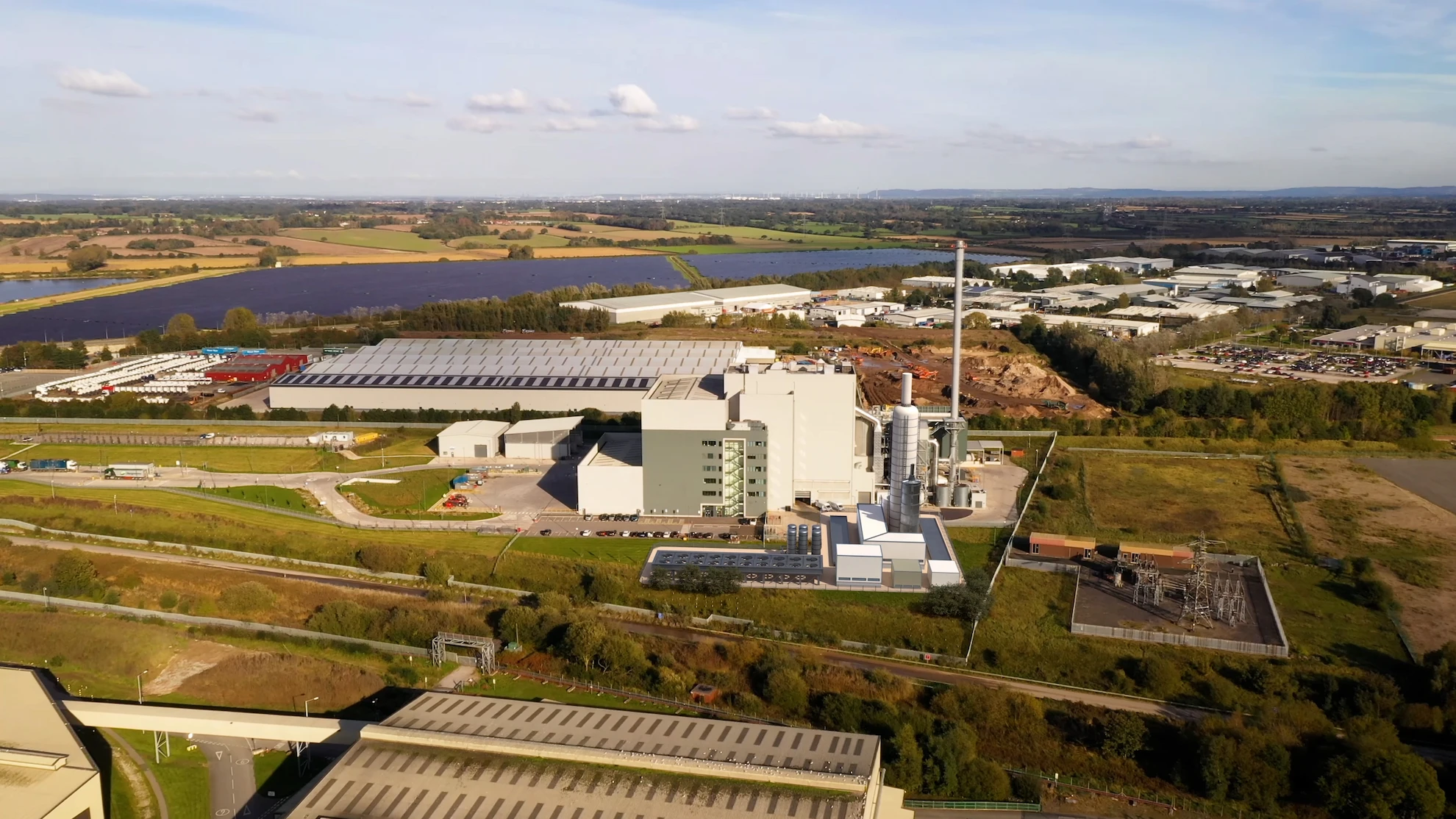
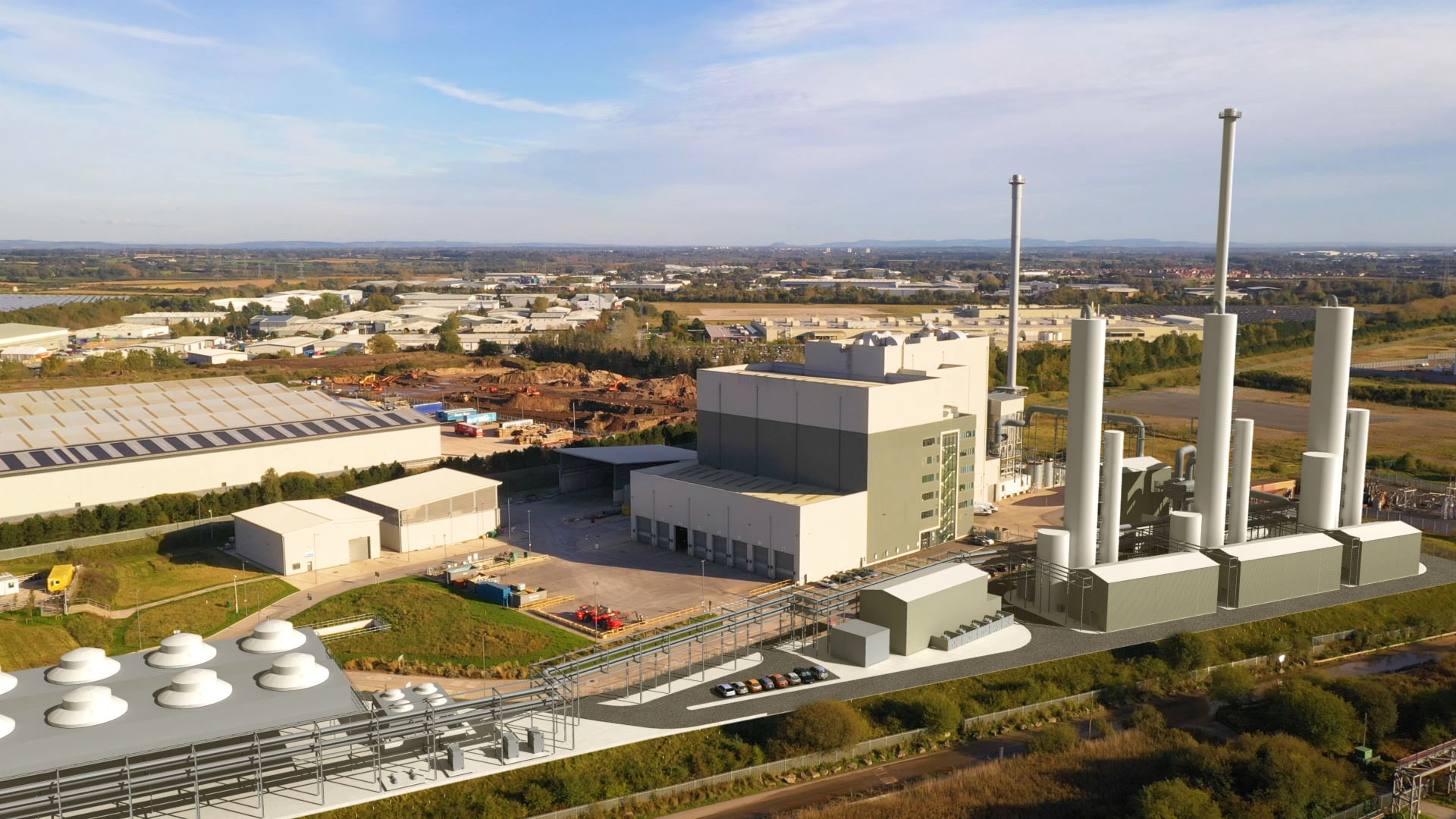
Parc Adfer is an energy from waste (EfW) facility in Deeside, Flintshire. Through this facility, up to 232,000 tonnes of unrecyclable waste is diverted from landfill and processed to produce enough energy to power over 45,000 homes and businesses.
The facility began operations in 2019 and processes waste for the ‘North Wales Residual Waste Treatment Partnership’, which is made up of Conwy County Borough Council, Denbighshire County Council, Flintshire County Council, Cygnor Gwynedd and the Isle of Anglesey County Council.
Parc Adfer is operated by enfinium on behalf of the five authorities in the North Wales Residual Waste Treatment Partnership through a Public-Private Partnership (PPP), which is supported by the Welsh Government.
The recovery of energy and recyclables at Parc Adfer is a superior treatment method in comparison to environmentally damaging landfill. In addition to producing energy, the facility recovers metals and ash that can be used in construction and, in doing so, help to lower the embedded carbon within those projects.
Carbon capture
Carbon dioxide (CO2) is a by-product of converting unrecyclable waste into electricity. However, it is possible to safely capture this CO2 and securely store it, which stops it from being released into the atmosphere.
Carbon capture on an energy from waste (EfW) facility works by taking in exhaust gas from the facility, cooling it and feeding it into an absorber column.
At this stage, a liquid solvent, such as amine, is used to absorb the CO2. Once the CO2 has been removed, the remaining cleaned flue gas is released safely into the atmosphere.
The liquid solvent is then re-heated to release the captured CO2 as a gas, which is collected and compressed before entering a pipeline to transport it away from site. The captured CO2 is then stored safely and permanently.
Carbon capture in North Wales
While Wales is a world-leader in recycling, the production of unrecyclable waste remains unavoidable for the foreseeable future. Parc Adfer has played an important role in helping Wales effectively phase-out the routine use of climate damaging landfill for residual waste and makes a significant contribution to Wales’s world-leading recycling rates through the recovery of other useful byproducts.
The installation of carbon capture would further improve the environmental performance of the facility and mitigate the detrimental impacts on the environment from our unrecyclable residual waste.
The technology we’re proposing is capable of capturing up to 95% of Parc Adfer’s current 241,000 tonnes of CO2 emissions. And, as around half of the waste processed at Parc Adfer is biogenic, installing carbon capture here would make the facility ‘carbon negative’.
In turn, this would help to mitigate the CO2 emissions from some of Wales’ most polluting sectors such as steel, aviation and agriculture. While these industries are critical to the Welsh economy, their CO2 emissions are unavoidable, so they are struggling to meet climate targets.
Additionally, with the start of Wales’ Fourth Carbon Budget being only six years away, the Climate Change Committee has advised that the Welsh Government should work with industry and local authorities to bring forward plans for installing carbon capture and storage (CCS) technology at Wales’ two existing EfW plants. This is seen as being key in the pathway to Wales achieving Net Zero.